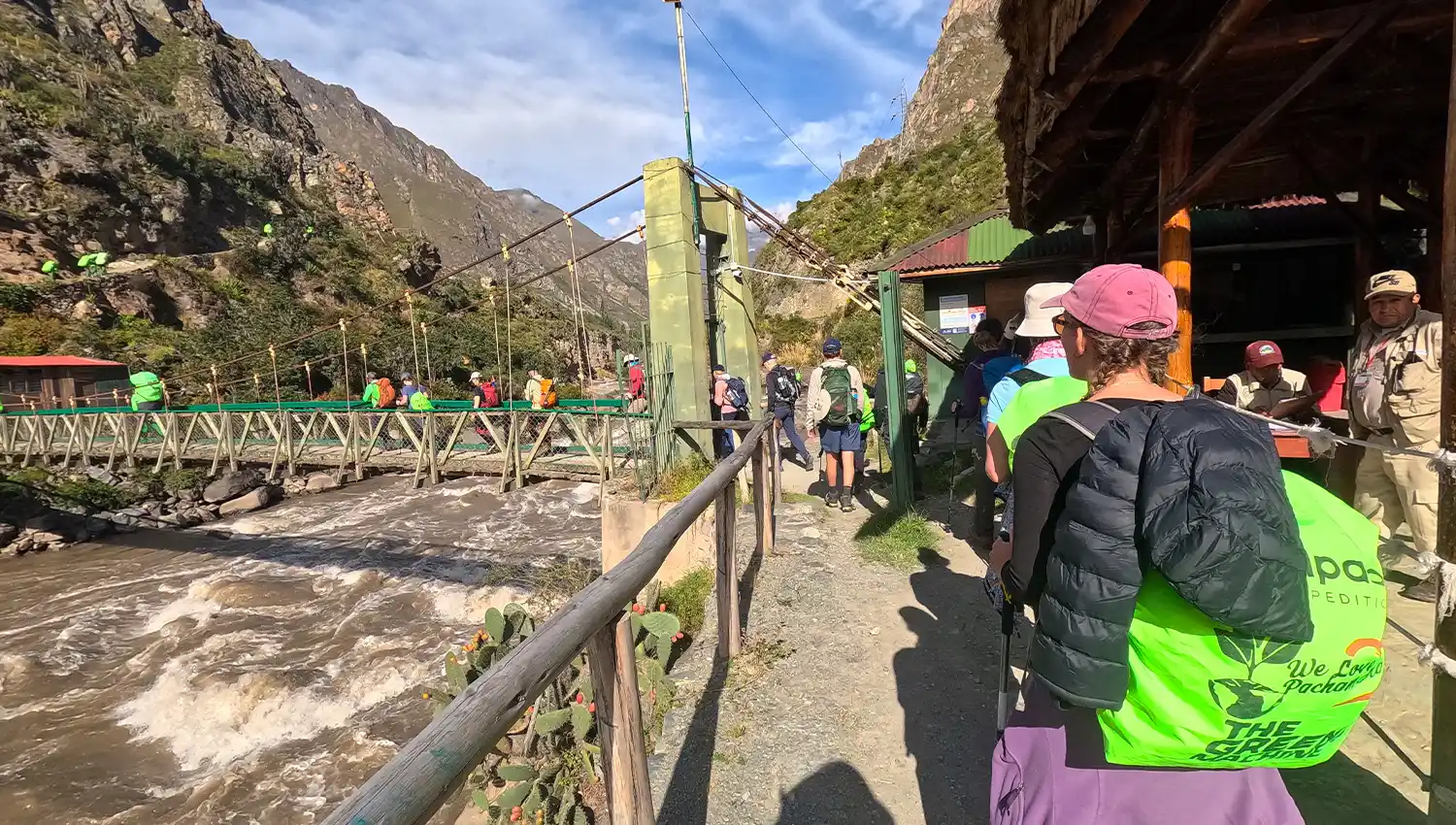
The Inca Trail is one of the world’s most iconic trekking experiences, attracting thousands of travelers each year who dream of reaching Machu Picchu through the same paths once used by the ancient Incas. For many visitors to Peru, booking inca trail tours from cusco is the highlight of their South American adventure.
However, securing the right tour requires more than simply choosing a date. Permit availability, physical preparation, seasonal weather conditions, and selecting a reputable operator all play a significant role in ensuring a safe and unforgettable journey.
Did you know? According to the UNESCO World Heritage Centre, Machu Picchu remains one of the most significant archaeological sites in the world and a symbol of the Inca civilization.
This guide covers everything travelers need to know before booking their trek, helping you make informed decisions and maximize your experience on the trail.
Key Takeaways
- Inca Trail permits are limited and often sell out months in advance.
- The Classic Inca Trail covers approximately 42 kilometers (26 miles) over four days.
- Travelers should arrive in Cusco several days early to acclimatize to the altitude.
- Booking with a licensed tour operator is mandatory for trekking the Inca Trail.
- Proper preparation significantly improves safety and enjoyment.
- The dry season from May to September is generally considered the best time to hike.
- Physical fitness, appropriate gear, and travel insurance are highly recommended.
Why Inca Trail Tours from Cusco Are So Popular
Few trekking routes in the world combine history, archaeology, mountain scenery, cloud forests, and a dramatic arrival at an ancient wonder quite like the Inca Trail.
Starting near Cusco, the route passes through:
- Ancient Inca settlements
- High mountain passes
- Diverse ecosystems
- Sacred archaeological sites
- Stunning Andean landscapes
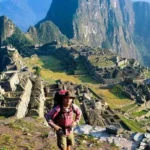
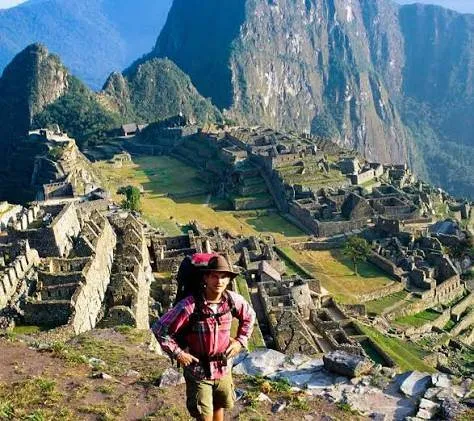
The journey culminates at the Sun Gate (Inti Punku), where hikers witness their first breathtaking view of Machu Picchu.
Understanding the Classic Inca Trail Route
The classic Inca Trail route is the most sought-after trekking option.
Route Overview
| Day | Highlights |
|---|---|
| Day 1 | Cusco to Wayllabamba |
| Day 2 | Dead Woman’s Pass (Warmiwañusca) |
| Day 3 | Runkurakay, Sayacmarca, Phuyupatamarca |
| Day 4 | Sun Gate and Machu Picchu |
Distance
- Approximately 42 km (26 miles)
Highest Elevation
- Dead Woman’s Pass
- Around 4,215 meters (13,828 feet)
Duration
- Typically 4 days and 3 nights
The route combines challenging ascents with rewarding cultural and natural attractions that make every step worthwhile.
Why Permits Matter More Than Most Travelers Realize
One of the most important aspects of booking inca trail tours from cusco is understanding permit regulations.
To protect the trail and surrounding environment, the Peruvian government strictly limits daily access.
Important Facts
- Only a limited number of permits are issued daily.
- Permits include hikers, guides, and support staff.
- Permits are non-transferable.
- Passport details must match permit information exactly.
Travelers planning to visit during peak season should ideally reserve their trek six to eight months in advance.
Best Time to Book an Inca Trail Tour
Dry Season (May–September)
Advantages:
- Clear skies
- Better mountain views
- Lower rainfall
- Ideal trekking conditions
Considerations:
- Highest demand
- Earlier permit sellouts
Shoulder Seasons (April & October)
Advantages:
- Fewer crowds
- Pleasant temperatures
- Good trail conditions
Rainy Season (November–March)
Advantages:
- Lush green landscapes
- Fewer visitors
Considerations:
- Increased rainfall
- Muddy trails
- Reduced visibility
The trail closes every February for maintenance and conservation efforts.
How Far in Advance Should You Book?
Permit demand continues to grow each year.
Recommended Booking Timeline
| Travel Season | Booking Window |
|---|---|
| May–August | 6–8 months ahead |
| April & September | 4–6 months ahead |
| October–December | 3–4 months ahead |
| January–March | 2–3 months ahead |
If traveling during summer holidays or major international vacation periods, booking even earlier is advisable.
Essential Inca Trail Travel Tips for First-Time Hikers
Proper planning is essential, and knowing how to prepare for a trip to Machu Picchu can help ensure a safer and more comfortable trekking experience. From altitude acclimatization to packing the right gear, a little preparation goes a long way toward making your Inca Trail adventure more enjoyable.
Arrive Early in Cusco
Cusco sits at approximately 3,399 meters (11,152 feet).
Arriving 2–3 days before your trek helps your body adjust to the altitude and reduces the risk of altitude-related discomfort. Many travelers use this time to explore the Sacred Valley of the Incas, which offers stunning landscapes, fascinating archaeological sites, and a more gradual introduction to the region’s elevation before beginning the Inca Trail.
Stay Hydrated
Drink water consistently before and during the trek.
Train Before Your Trip
Recommended preparation:
- Hiking
- Stair climbing
- Cardio workouts
- Strength training
Pack Light but Smart
Bring:
- Waterproof jacket
- Trekking boots
- Sun protection
- Layers
- Headlamp
- Reusable water bottle
Choosing the Right Tour Operator
Not all tour companies provide the same level of service.
Look for operators that offer:
Licensed Guides
Experienced guides improve safety while providing valuable cultural and historical insights.
Ethical Porter Practices
Responsible operators ensure fair treatment and appropriate equipment for porters.
Small Group Sizes
Smaller groups typically provide a more personalized experience.
Transparent Pricing
Choose companies that clearly explain:
- Permit fees
- Transportation
- Meals
- Camping equipment
- Machu Picchu entrance tickets

Common Mistakes Travelers Should Avoid
Waiting Too Long to Book
This is the most common mistake and can result in unavailable permits.
Ignoring Altitude Preparation
Altitude affects travelers differently regardless of fitness level.
Wearing New Hiking Boots
Always break in footwear before your trek.
Overpacking
Heavy backpacks can make challenging sections significantly more difficult.
Underestimating Weather Changes
Andean weather can change rapidly, even during the dry season.
Safety Tips for a Successful Trek
Safety should always be a priority.
Follow Your Guide’s Instructions
Guides are trained to manage trail conditions and altitude-related concerns.
Listen to Your Body
Slow down if you experience:
- Headaches
- Dizziness
- Excessive fatigue
Carry Travel Insurance
A comprehensive policy can provide peace of mind for unexpected situations.
Protect Against Sun Exposure
High-altitude UV radiation is stronger than many travelers expect.
Use:
- Sunscreen
- Sunglasses
- Hats
What Makes the Inca Trail Different from Other Machu Picchu Routes?
Travelers seeking a more remote and challenging adventure often compare the Inca Trail with the Salkantay Trek to Machu Picchu, another popular route through the Andes.
Unique Advantages of the Inca Trail
- Original Inca pathways
- Exclusive archaeological sites
- Direct arrival through the Sun Gate
- Historical significance
- Limited visitor access
These features create an experience that cannot be replicated through train-based visits alone.
Planning Your Perfect Inca Trail Adventure
Booking inca trail tours from cusco is one of the most rewarding travel decisions a visitor to Peru can make. The journey combines breathtaking Andean scenery, remarkable archaeological sites, and a deep connection to Inca history that few destinations can match.
By securing permits early, preparing physically, acclimatizing properly, and choosing a reputable operator, travelers can enjoy a safer, smoother, and more memorable adventure. Whether you’re drawn by the challenge of the trek or the dream of reaching Machu Picchu through the legendary classic Inca Trail route, thoughtful planning is the key to an unforgettable experience.
Frequently Asked Questions
How difficult is the Inca Trail?
The Classic Inca Trail is considered moderately challenging. Most healthy travelers can complete it with proper preparation and acclimatization.
How long is the Classic Inca Trail?
The route covers approximately 42 kilometers (26 miles) over four days.
Can I hike the Inca Trail without a guide?
No. Peruvian regulations require hikers to book through an authorized tour operator.
What is the best month to hike the Inca Trail?
Many travelers prefer May through September because of generally drier weather conditions.
How far in advance should I reserve permits?
Booking six to eight months ahead is recommended for peak-season departures.
Is altitude sickness common?
Some travelers experience mild symptoms due to the high elevation. Arriving early in Cusco helps reduce the risk.