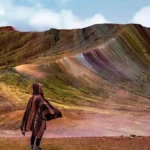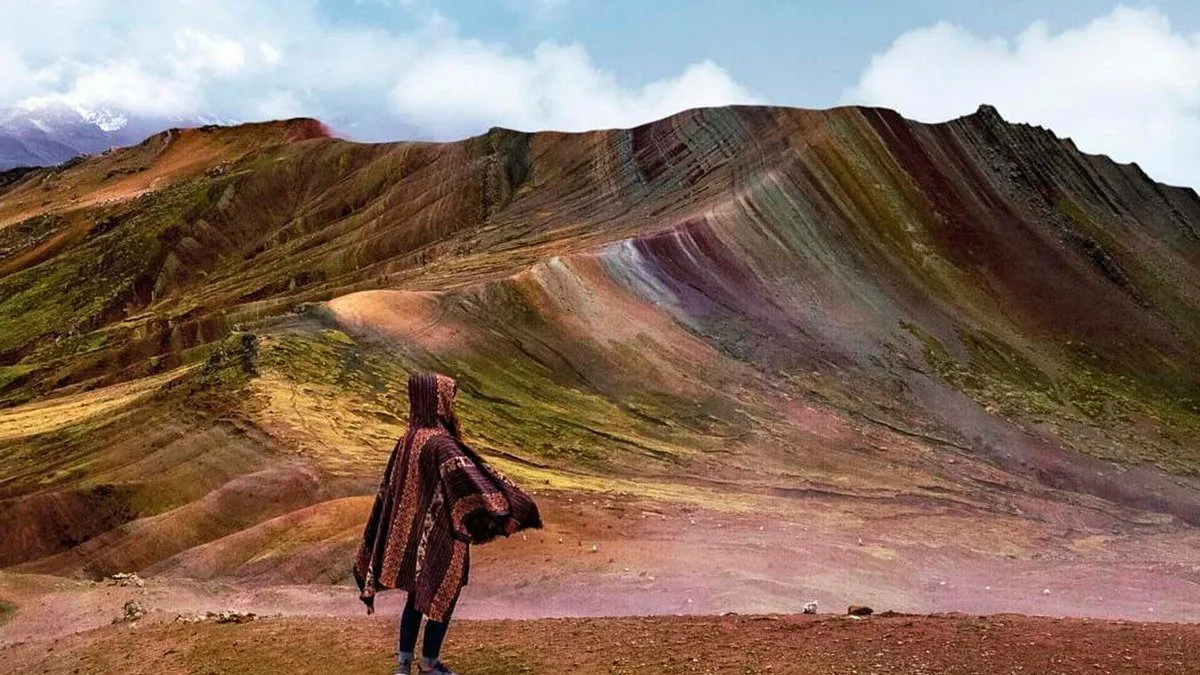
The best time to visit the Palcoyo rainbow mountains is the dry season, April through October. Skies stay clear, trails stay dry, and the colors really pop. Palcoyo sits at nearly 4,900 metres above sea level, but the trail is relatively flat and much easier than most hikes in the Andes. That combination is what makes the Palcoyo rainbow mountains such a smart pick if you want jaw-dropping views without wrecking your knees.
The Peruvian Andes don’t have four distinct seasons. Instead, there are just two: the dry season and the rainy season. The time of year you visit can affect everything from the views and photos to how comfortable your hike feels.
In this blog we will know about the best time to visit Palcoyo rainbow mountains, seasonal weather, crowd levels, and expert travel advice. So, read until the end!
Key Takeaways
- Palcoyo rainbow mountain trails, in the dry season (April – October), offer the clearest skies and the easiest walking conditions. So, the time is absolutely right if you want to have nice mountain walks on this side.
- Rainy months (November to March) bring fewer crowds and deeper, more saturated mountain colors
- The months of May and September deliver the best balance of good weather and smaller crowds.
- Compared to Palcoyo vs Rainbow Mountain, the ascent to Palcoyo is less demanding, with multiple spots to relax and watch the view, plus fewer people to deal with.
- Following simple Palcoyo hiking tips, like layering clothing and acclimatizing early, makes any season enjoyable.
When Is the Ideal Season for Palcoyo’s Colorful Peaks
The dry season runs April through October. Clear skies, minimal rain- this is the window most local guides point to first when hiking Palcoyo.
Mornings are still cold though, often hovering around 3°C (37°F). Give it a few hours, and you’re looking at a much friendlier 18°C (64°F) by midday. Bring layers. Seriously, no matter which month you pick. June to August? That’s peak dry season. Bluest skies, sharpest views, best photos you’ll get all year. It also happens to be Peru’s busiest tourist stretch.
If you don’t like crowds, then look for May or September instead. Same dry trails, same clear skies, but noticeably fewer buses rolling in. A lot of experienced guides quietly consider this the real sweet spot in any Palcoyo travel guide worth reading.
Weather Patterns Across the Dry Months
| Month | Weather | Crowd Level | Best For |
| April | Transitioning to dry, occasional showers | Low | Early-season quiet |
| May | Clear, cool mornings | Moderate | Balanced trip |
| June–August | Sunny, coldest nights | High | Best photography |
| September | Clear, warming up | Moderate | Fewer crowds |
| October | Mostly dry, some clouds | Low-Moderate | Late-season deals |
Rainy Season Reality: November Through March
The wet season has its own kind of charm, honestly. Fog rolls in low, afternoon showers become routine, and higher ridges sometimes get a light dusting of snow.
Here’s something most travelers don’t expect. Rain here tends to fall at night rather than during the day, so plenty of hikers still get full stretches of sunshine, even in January.
And oddly enough, the colors get better. Moisture pulls deeper tones out of the slopes, so photos from this season often look more saturated than dry-season shots.
Crowds thin out fast once the rains arrive. If lines and packed viewpoints aren’t your idea of a good time, this stretch might actually suit you better than the busy summer months.
How Crowds Shift Throughout the Year
Crowd size tracks the weather almost perfectly. July and August, the peak of the dry season, pull in the biggest tour groups from Cusco.
Even then, Palcoyo tends to feel less packed than Vinicunca. Multiple viewpoints instead of one crowded summit means people naturally spread out.
Pro tip: Book the early departure, around 5:30 a.m. You’ll be on the ridge before the main wave of buses shows up, which means quiet, uncrowded photos.
Palcoyo vs Rainbow Mountain: Which One Fits You
Plenty of travelers mix these two up before booking. Comparing Palcoyo vs Rainbow Mountain side by side makes the choice a lot easier.
- Elevation: Palcoyo tops out around 4,900 meters, roughly 700 meters lower than Vinicunca’s summit.
- Hike length: Palcoyo takes about 1.5 to 2.5 hours round trip. Vinicunca often takes double that.
- Terrain: Palcoyo’s path stays mostly flat with gentle slopes. Vinicunca throws in a steep final climb.
- Scenery: Palcoyo offers several colorful ridges plus the Stone Forest. Vinicunca is built around one iconic peak.
- Crowds: Palcoyo pulls noticeably fewer visitors, year-round.
Essential Palcoyo Hiking Tips for Every Season
Good prep beats choosing the “perfect” month, honestly. These Palcoyo hiking tips hold up whether you’re going in July or January.
- Acclimatize first. Spend a day or two in Cusco before you hike. Altitude sickness hits hard if you skip this.
- Layer up. Freezing mornings, warm afternoons, sometimes within the same hour. A waterproof jacket covers both.
- Cover sun and cold at once. Sunscreen, sunglasses, a hat- don’t skip these even when it’s chilly out. Thin air means stronger UV.
- Bring your own snacks and water. There’s not much in the way of facilities near the trail.
- Start early. Tours generally run 8 a.m. to 3 p.m. since afternoons turn cold fast.
- Keep an eye on the sky. The weather here shifts quickly. A clear morning can cloud over within the hour.

Expert Insight From the Trail
Guides who run this route year-round tend to notice something most blogs skip over. Groups that visit during shoulder months, May in particular, and late September, consistently get the best mix of good weather and small crowds. You dodge the July rush while still hiking dry, stable trails. If your dates are flexible at all, these windows are worth prioritizing over peak summer.
Common Mistakes Travelers Make
- Assuming the rainy season ruins the trip: Rainy season doesn’t usually mean constant rain. Many days still have long dry periods, especially during daylight hours.
- Skipping acclimatisation: Heading straight to higher elevations without adjusting can lead to headaches, fatigue, and altitude sickness.
- Ignoring sun protection: Cooler temperatures don’t mean weaker UV rays. High-altitude sunlight is strong, so sunscreen, sunglasses, and a hat are still essential.
- Overlooking these basics: Avoiding these common mistakes can make your hike safer, more comfortable, and far more enjoyable.
Your Rainbow Mountain Journey Starts Here!
Palcoyo rainbow mountains reward visitors who actually plan around the seasons instead of just guessing. So either take the dry months to enjoy clear skies or go for the quieter rainy seasons and take deeper colors with fewer crowds into account. Either way, you’ll still find the views of this stretch of the Andes
Machu Picchu Explorers has been leading many adventurers through the spectacular, colorful ridges in Palcoyo and the enigmatic Stone Forest that is still somewhat a mystery. Reach out today and start planning a hike you genuinely won’t forget.
FAQs
1. What is the best month to visit Palcoyo Rainbow Mountain?
June through September offers the clearest skies, though May and late September bring smaller crowds with similar weather.
2. Is Palcoyo easier than the original Rainbow Mountain?
Yes. Palcoyo sits lower in elevation, and its trail stays flatter, making it a gentler hike overall.
3. Can you visit Palcoyo during the rainy season?
Yes. Rain often falls at night, so many daytime hikes still enjoy sunshine even between November and March.
4. How cold does it get at Palcoyo Rainbow Mountain?
Mornings can drop to around 3°C (37°F), while midday temperatures often reach a mild 18°C (64°F).
5. Do I need to acclimatize before hiking Palcoyo?
Yes. Spend one to two days in Cusco beforehand. The trail reaches nearly 4,900 meters, where altitude sickness is common.